


News
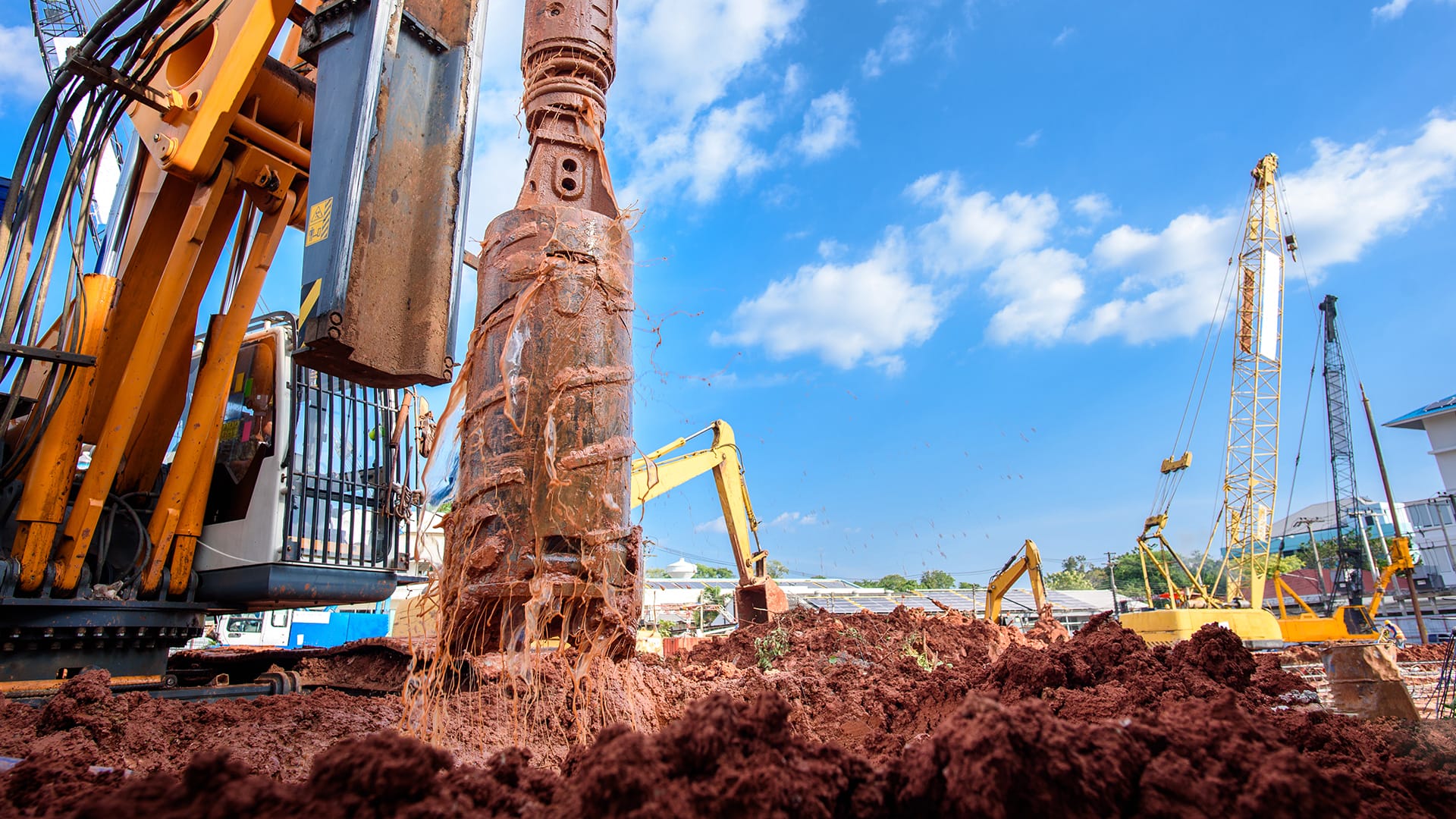
How Soil Conditions Contribute to Crane Tip-Overs
Ground failure remains one of the most overlooked contributors to crane accidents, but it is one of the leading crane tip-over causes. Even stable-looking soil can: These failure modes often occur without warning—leading to sudden, dangerous tip-overs. Soil Bearing Capacity Overview Understanding soil bearing capacity is critical when evaluating crane tip-over causes, especially in conditions […]
Read More
OSHA Crane Outrigger Requirements: What Contractors Must Know
Crane stabilization is not optional — it is federally regulated, and OSHA crane outrigger requirements set clear expectations for ground support and safety. The Occupational Safety and Health Administration requires employers to ensure cranes are supported by ground conditions capable of sustaining imposed loads. Under 29 CFR §1926.1402, employers must: Failure to meet these requirements […]
Read More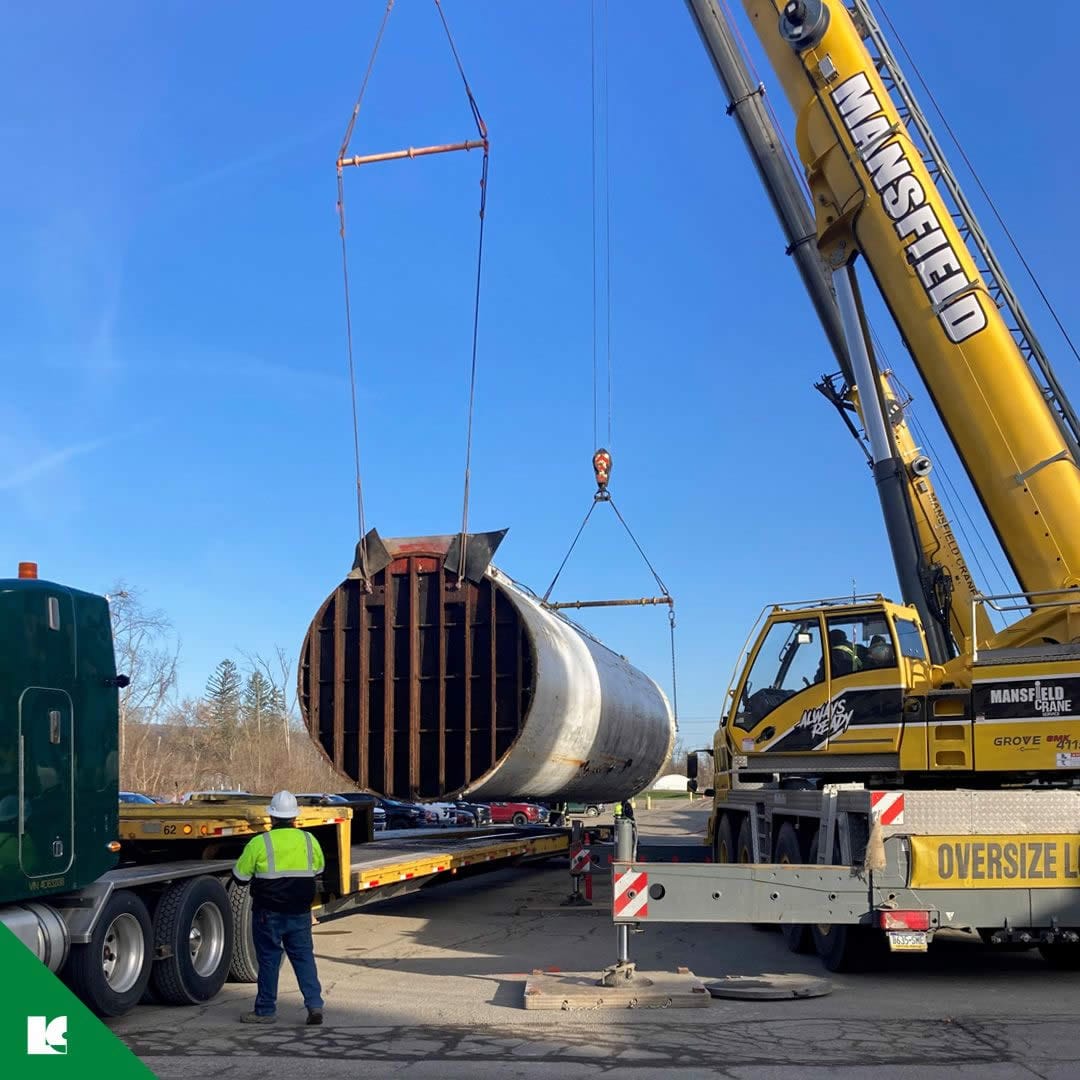
How to Calculate Ground Bearing Pressure for Crane Setups
Crane stability begins with the ground. One of the most critical — and frequently misunderstood — elements of safe crane setup is ground bearing pressure (GBP). When improperly calculated, excessive ground pressure can cause settlement, structural instability, or catastrophic tip-over. OSHA explicitly requires employers to ensure ground conditions are adequate before crane setup under 29 […]
Read More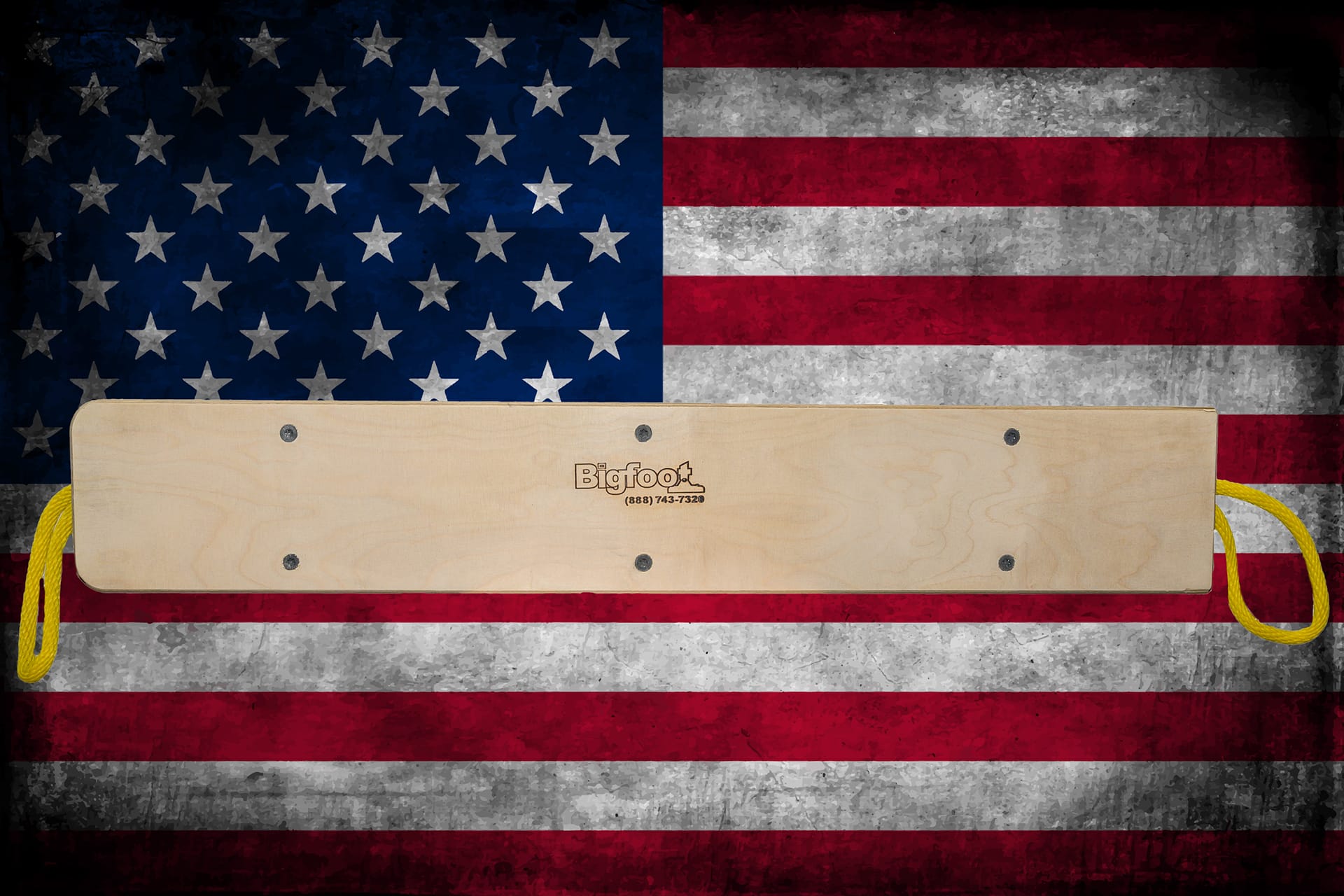
The Proper Use and Application of Cribbing for Safe Equipment Stabilization
At Bigfoot, we manufacture high-quality outrigger pads and cribbing solutions designed to provide maximum stability and safety for heavy equipment. Cribbing is an essential tool in load stabilization, offering additional height, weight distribution, and reinforcement when standard outrigger pads alone are not sufficient. Understanding the proper use and application of cribbing is crucial to ensuring […]
Read More
OSHA Regulations on Outrigger Pad Use: What You Need to Know
At Bigfoot, we know that workplace safety is paramount when operating heavy machinery. A critical aspect of job site safety is ensuring that cranes, aerial lifts, and other equipment are properly stabilized using outrigger pads. The Occupational Safety and Health Administration (OSHA) has specific regulations regarding outrigger pad use, and understanding these rules is essential […]
Read More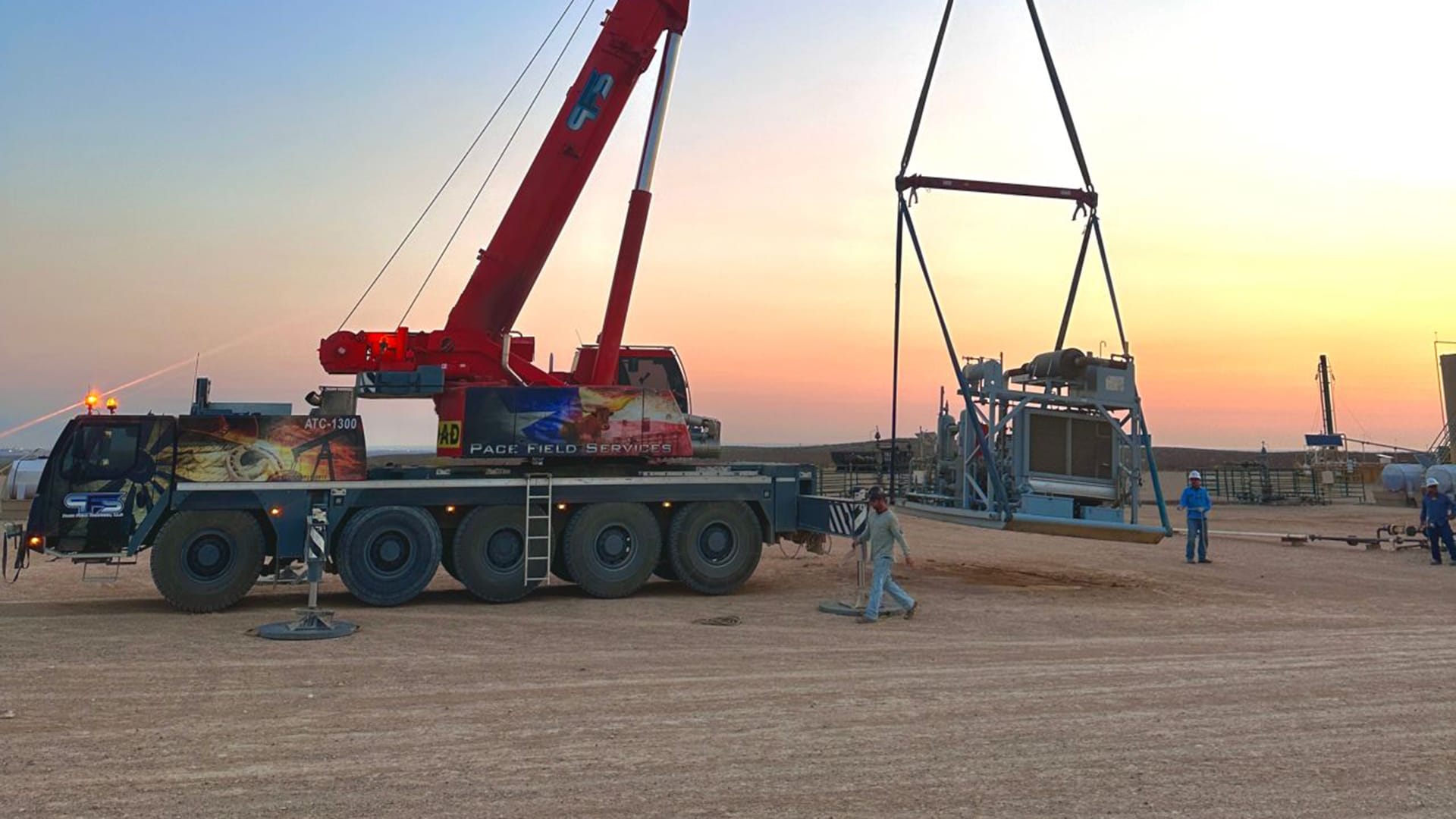
Understanding Ground Bearing Pressure and How to Calculate It
At Bigfoot, we understand that safe equipment operation starts with a solid foundation. Ground bearing pressure (GBP) plays a crucial role in stabilizing cranes, aerial lifts, and other heavy machinery. Failing to account for GBP can lead to equipment instability, ground failure, and hazardous job site conditions. In this blog post, we will define GBP, […]
Read More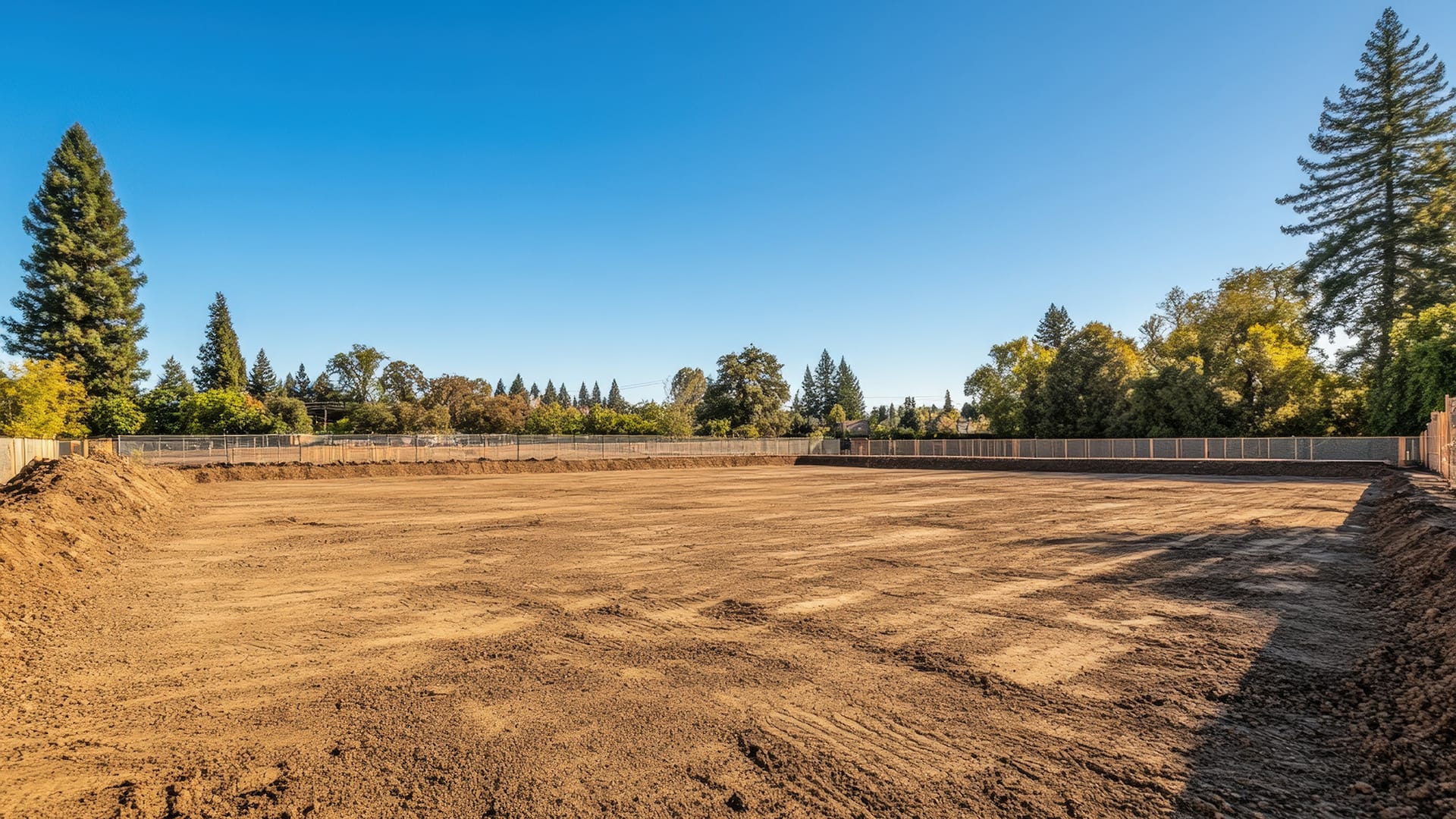
Understanding Ground Bearing Capacity for Safe Equipment Operations
Bigfoot Outrigger Pads wants you to understand that when working with heavy equipment such as cranes, aerial lifts, and concrete pump trucks, understanding ground bearing capacity (GBC) is crucial to ensuring stability and preventing accidents. Misjudging the strength of the ground beneath heavy equipment can lead to severe consequences, including ground failure, equipment tipping, and […]
Read More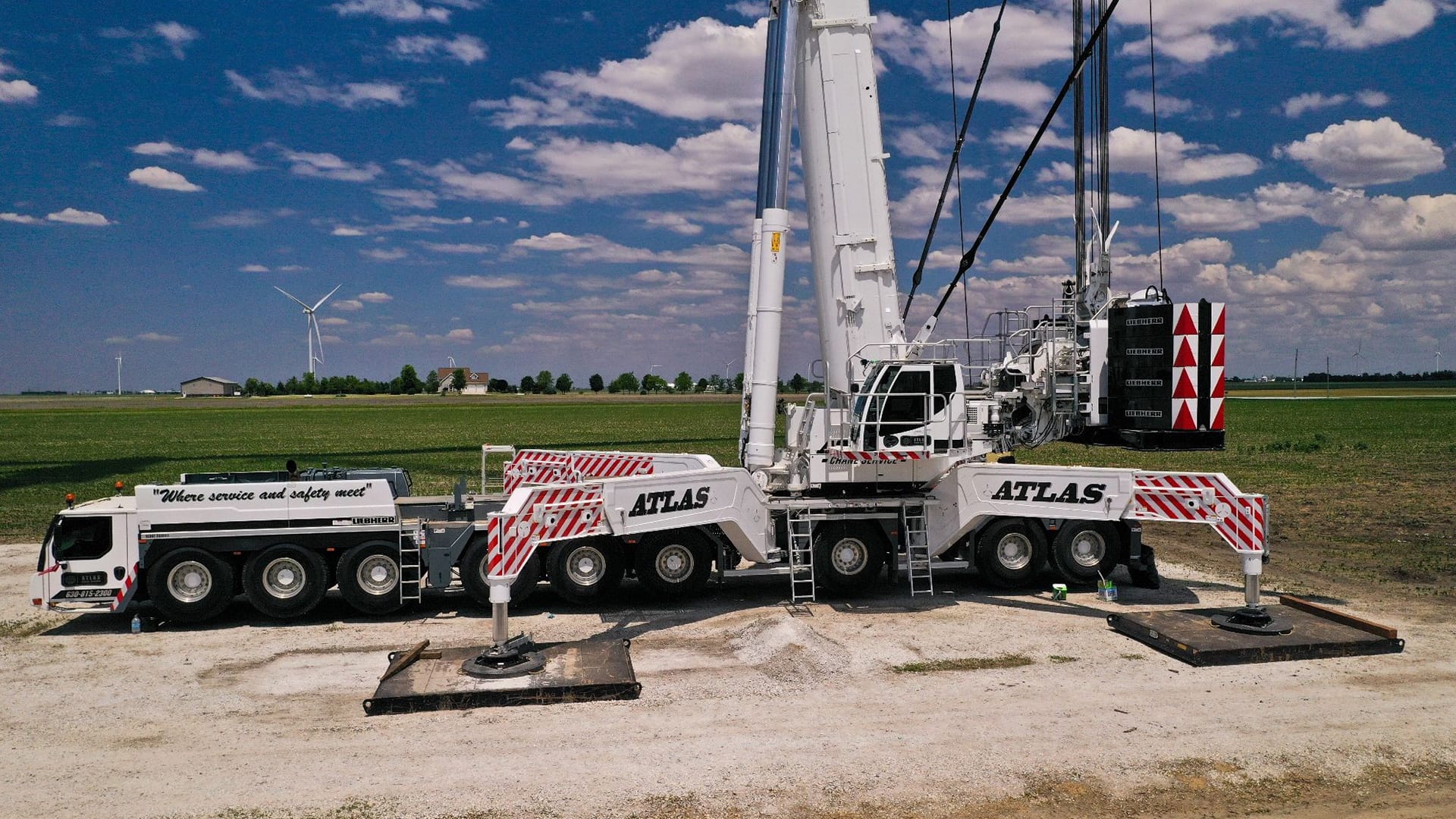
The Foundation of Every Lift
National Outrigger Pad and Crane Mat Day (4/24): A Day of AwarenessBy Eric Steiner, Marketing Director, Bigfoot Construction Equipment, Inc. borrowed from Crane Hotline Each year on April 24, the industry comes together to observe National Outrigger Pad and Crane Mat Day, emphasizing the critical role ground stabilization plays in lifting operations. It’s a day […]
Read More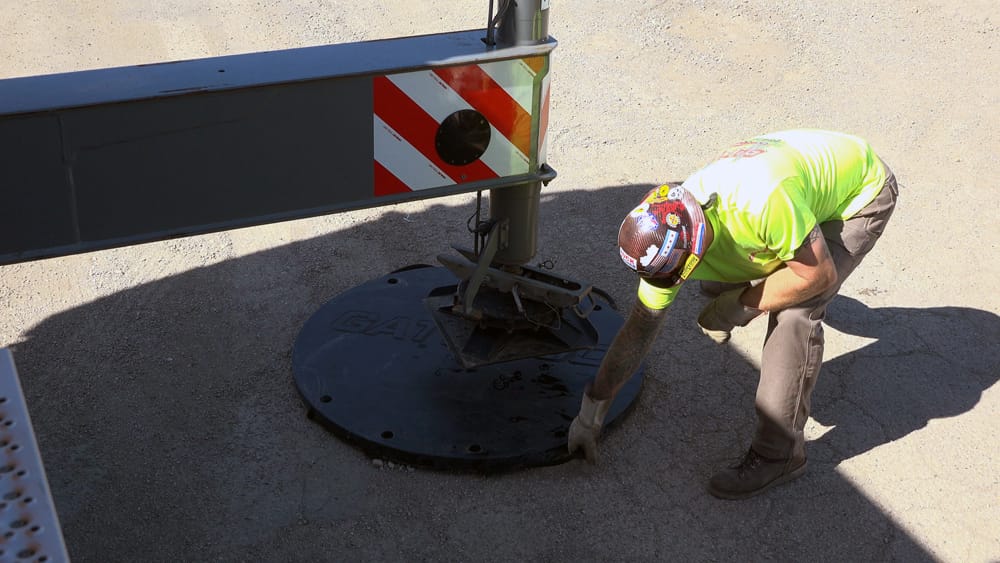
The Hidden Dangers of Unstable Operations
Crane operations are inherently complex. Uneven ground, shifting loads, and unpredictable weather can all compromise stability, creating a perfect storm for accidents. Without proper stability measures, even minor oversights can lead to equipment tipping over, load drops, or catastrophic failures. The Occupational Safety and Health Administration (OSHA) cites stability-related issues as a leading cause of […]
Read More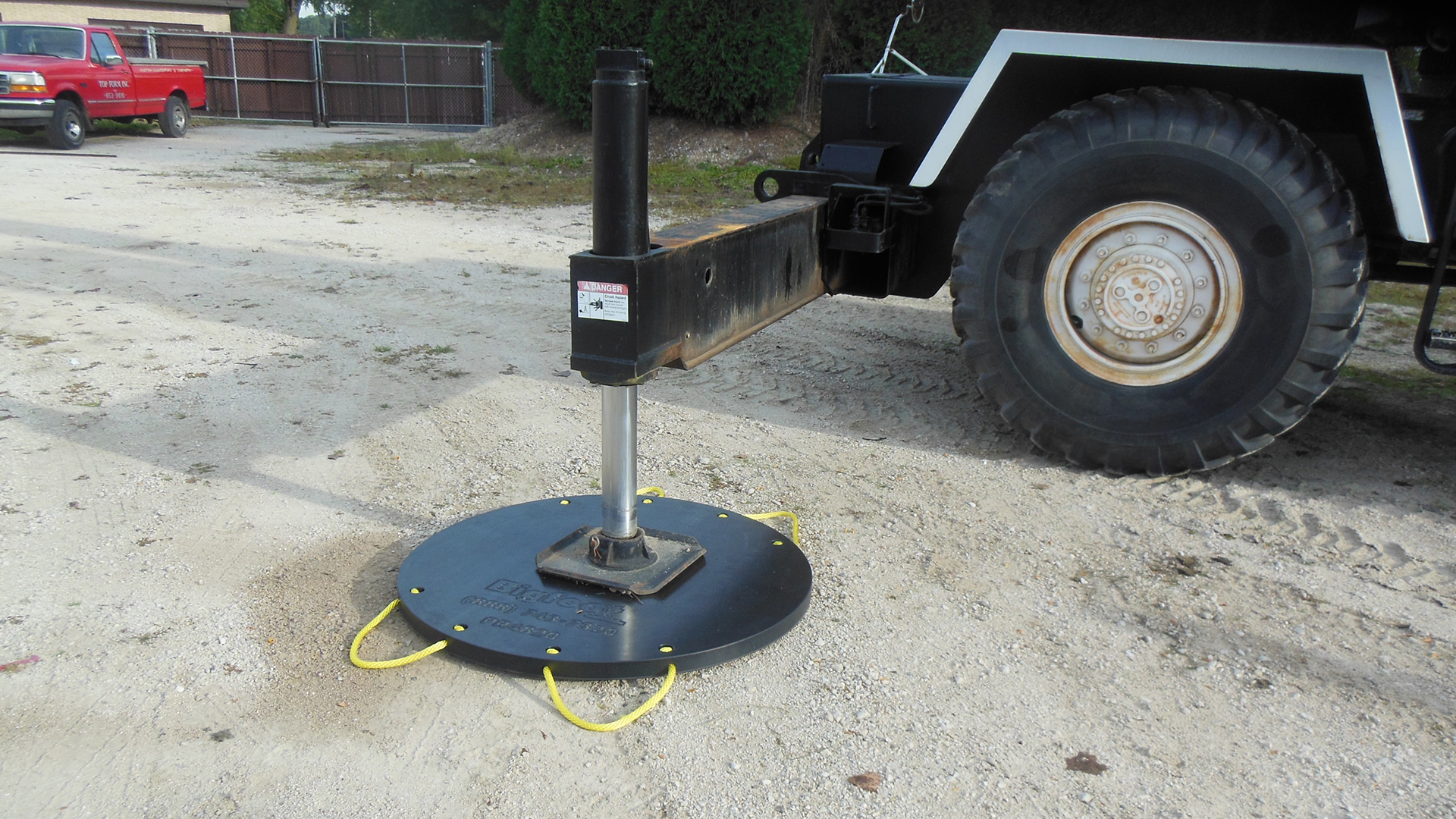
Ground Conditions: The Crucial Factor for Crane Operators Before Setup
In the construction and heavy lifting industries, the role of a crane operator is both challenging and critical. One of the key responsibilities that often gets overlooked is the assessment of ground conditions for outrigger pads before setting up a crane. Understanding and evaluating the ground conditions is paramount to ensuring the stability, safety, and […]
Read More